

 Open Access||Review Article
Internet of Things and Machine Learning in Smart Agriculture: A Comprehensive Review
Department of Electronics and Telecommunications Engineering, Sinhgad Institute of Technology, Lonavala, Maharashtra, 410401, India
Abstract
Traditional farming practices in developing nations often face inefficiencies due to limited access to real-time information on soil health, weather conditions, and crop growth, resulting in reduced productivity and resource wastage. This review article summarizes smart agriculture systems that integrate the Internet of Things (IoT) and Machine Learning (ML) to enhance crop monitoring, optimize resource utilization, and support sustainable farming practices. IoT-based wireless sensor networks (WSNs) enable continuous real-time data collection on environmental and soil parameters, while ML algorithms analyze this data to support informed decision-making. The experimental results demonstrate that the proposed ensemble-based ML model achieves high predictive accuracy, validating the effectiveness of combining multiple learning algorithms for smart agriculture applications. Furthermore, real-time data updates allow farmers to respond promptly to changing field conditions, thereby minimizing losses and improving overall productivity. The integration of IoT and ML establishes a robust, data-driven agricultural framework that enhances efficiency, sustainability, and food security.
Keywords
Graphical Abstract
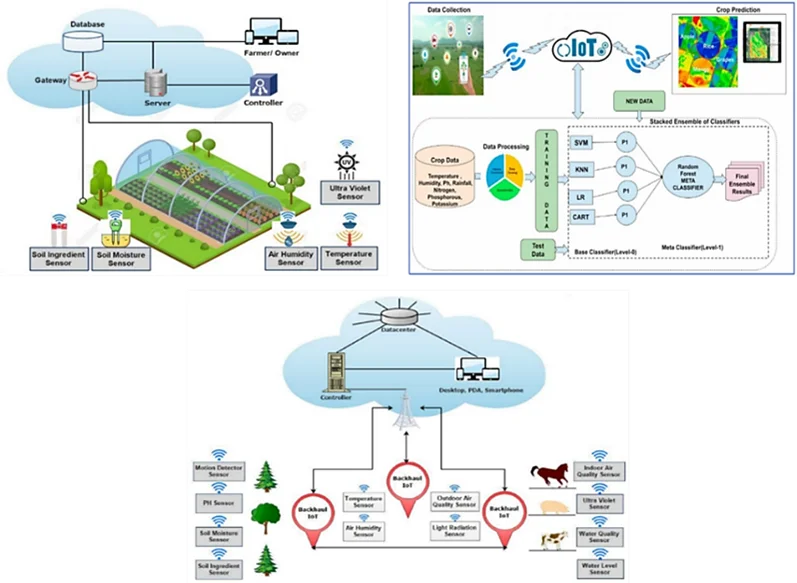
Novelty Statement
This review article summarizes smart agriculture systems that integrate the Internet of Things and Machine Learning to enhance crop monitoring, optimize resource utilization, and support sustainable farming practices.
1. Introduction
One measure of a country's economic growth is the state of its agriculture. [1] Agriculture remains the backbone of many economies, providing food, employment, and raw materials for industries. However, traditional farming practices often face challenges such as unpredictable weather, inefficient resource use, and pest infestations. In recent years, the integration of Internet of Things (IoT) technologies has revolutionized the agricultural sector by enabling real-time monitoring of soil conditions, crop health, and environmental factors. [2] Furthermore, Machine Learning (ML) enhances these systems by analyzing collected data to predict outcomes such as yield estimation, irrigation needs, and disease outbreaks, leading to smarter and more sustainable farming practices. [3] While offering fewer environmental dangers, IoT in agriculture enhances farm management, lowers waste, and boosts agricultural yields. [4] Innovations like cloud computing, radio frequency identification tags, communication between machines, sensor networks using wireless technology, and data analysis are the main reasons why our food production process is changing. [5] IoT is growing in popularity and operates in real time. [6,7] By planning, gathering, identifying, and applying big data and artificial intelligence to manage systems for services, IoT technology is developing. [8-10] Conventional farming techniques often rely on manual observation and experience-based decision making, which can result in inconsistent crop yields and resource wastage. Farmers lack timely, data driven insights into soil moisture, nutrient levels, and pest risks. There is a pressing need for an automated system that can collect, process, and analyze agricultural data to support intelligent decision-making. To improve agricultural productivity, machine learning (ML) techniques are used to analyze such data. [11] By transforming unprocessed agricultural data into useful knowledge, machine learning (ML) in smart agriculture increases productivity, lowers expenses, and guarantees sustainability. It is a major facilitator of contemporary precision farming since it facilitates automation, resource optimization, and predictive analytics. [12] Additionally, combining machine learning and data analysis methods expands crop prediction's potential. [13] Large datasets are processed effectively by these algorithms, which also adjust to changing circumstances to continuously increase forecast accuracy. In this regard, machine learning becomes an effective instrument for combining multi-dimensional data sources, including weather information, satellite imagery, and assessments of soil condition. [14] The confluence of IoT-enabling algorithms for learning in agriculture represents an evolutionary step toward precision farming, enabling immediate tracking, accurate forecasting, and sustainable resource usage. [15] This study focuses on the development of a prototype smart agriculture system designed for small- to medium-sized farms. The IoT network is limited to sensors measuring temperature, humidity, and soil moisture. Machine learning models are trained using sample datasets and tested under controlled conditions. [16,17]
1.1 Importance of agriculture in global economy and food security
In many growing and developing nations, agriculture is a vital industry that frequently accounts for 15–30% of GDP. In addition to providing livelihoods and trade, agriculture is the cornerstone of worldwide food security, ensuring that there will always be an adequate supply of wholesome food available to present and future. [18] Agriculture is one of the main drivers of economic stability and growth, employing over 65% of the working population worldwide, according to the World Bank. While it supports sectors like food processing, textiles, and trade in developed countries, agriculture continues to be a major source of revenue and a crucial sector for reducing poverty in developing countries. [19]
1.2 Role of IoT in precision farming and productivity improvement
Increasing crop yield and creating an intelligent cropping system are the goals of precision farming. Precision farming is the intelligent use of agricultural resources and information using communication and sensing technologies to maximize financial return and production. [20] Wireless sensor networks and precision farming transform the agricultural industry into a technological path for increasing agricultural output with the least amount of human labor. The utilization of sensor networks that are wireless in precision agriculture will provide farmers with a multitude of information, such as energy harvesting techniques, wireless communication technologies, and the hierarchy of energy efficiency. [21] AIML enables precision farming by enabling farmers to make information-driven choices to reduce waste through real-time weather, crop, and soil monitoring. information about soil, weather, and crops. [22] Recent developments in systems for irrigation have introduced agricultural irrigation instruments, motion manipulation, satellite devices, imaging technologies, and wireless connections, which track both environmental and soil conditions and assess irrigation parameters, like flow and pressure, to improve farm water utilization efficiency. [23]
1.3 Need for ML to analyse sensor data and predict outcomes
Machine learning, which may be applied in agriculture to aid in identification of diseases, crop monitoring, and decision-making, is a key component of intelligent farming. [24] These smart devices intelligently move the collected data to designated storage places. [25,26] A controller can understand the electrical signals that these sensors convert from physical quantities with the help of machine learning. [27] To bridge the gap, sensor-driven agriculture needs machine learning (ML) to transform raw data into information that can be put to use. In agricultural data, machine learning finds hidden patterns, correlations, and anomalies. [28] Consequently, combining machine learning with sensor-driven agriculture turns unprocessed data into useful insights that allow for reliable forecasting that raises revenues, lowers expenditures, and supports sustainable farming methods. [29]
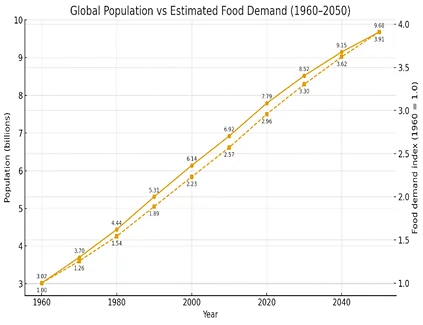
Fig. 1: Global challenges in agriculture (Population Vs Food Demand).
1.4 Research gaps in existing smart agriculture systems
Effective integration and evaluation of agricultural data produced by various Internet of Things devices, satellites, drones, and weather stations is difficult due to their lack of standardization. Even though machine learning algorithms are used to schedule irrigation, detect illnesses, and predict production, their performance can occasionally be reduced by noisy, imbalanced, or incomplete records. [30] The scalability of smart agricultural systems in large, diverse, and resource-constrained farming contexts is rarely demonstrated, despite the fact that many of them are tested on prototype or small-scale companies. [31] The spread of connected farming tools increases the risk of cyberattacks and the inappropriate use of private agricultural data, an understudied problem. [32] In order to create smart farming methods that are more effective, scalable, and able to guarantee a reliable food supply in the face of changing environmental and socioeconomic challenges, it is crucial to identify and close such research gaps. [33] Fig. 1 illustrates the problems and advancements in global food security by highlighting the relationship between the world's growing population, rising food supplies and crop prices, and the main crops that contribute to global food energy. [34]
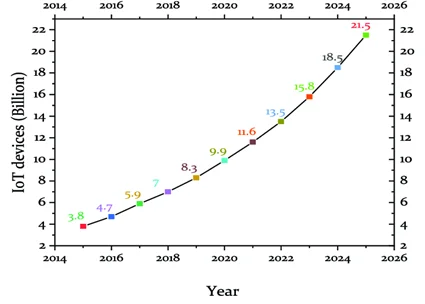
Fig. 2: Growth of IoT applications in agriculture (2015–2025).
2. Literature Review
Managing spatial, temporal, and environmental factors to enhance output and raise an agriculturist's production and profitability is the focus of smart agriculture. [1] Every environmental factor varies from one place to another, including soil properties, weather, water availability, fertilizers, humidity, and temperature. [2] Due to the losses they have incurred, farmers face significant obstacles when considering quitting farming. In order to generate greater outputs, smart farming efficiently and effectively employs fewer inputs. [3] The growth of IOT Applications in agriculture as shown in Fig. 2. [4] Numerous studies emphasize how crucially the massive amount of data collected by IoT devices must be handled and processed using analytics for big data and cloud computing. These technologies enable real-time decision-making and predictive analytics for proactive agriculture. [5] Automation and Robotics: Using Internet of Things-driven robots for tasks like pest management, weeding, and spraying is another well-liked tactic. [6] Drone Use: Some studies investigate the use of drones and the Network of Things to optimize irrigation, monitor agricultural health, and conduct surveillance. [7] Fig. 3. shows the flow-chart for the literature selection for this review on the basis of PRISMA guidelines, while Table 1 shows a summary of papers reviewed.
2.1 Databases used
The division of agriculture during exams determines the aspects that impact data gathering in the sector of agriculture. Crop productivity in hunting and crop farming is impacted by a number of factors. [8] Such a model aids in understanding how crucial it is for crops to receive adequate water. Depending on their stage of growth, different crops require varied amounts of water. Monitoring rainfall aids in scheduling crop watering. Every crop grows optimally in a certain range of temperatures. [9] When selecting crops and determining when to plant them, it's critical to understand how temperatures vary throughout the day. Crop growth can also be impacted by humidity, particularly in relation to diseases. [10] Farmers can tell when & just how much water supply is needed by using soil moisture monitors. The soil requirements of various crops vary. IoT based systems, sensor networks, machine learning applications, hardware and software integration, literature reviews, citation analysis, and pinpointing research trends are all common applications in smart agriculture. Plant biology, crop disease detection, agricultural biotechnology, and machine learning for plant health are also included in this. [11]
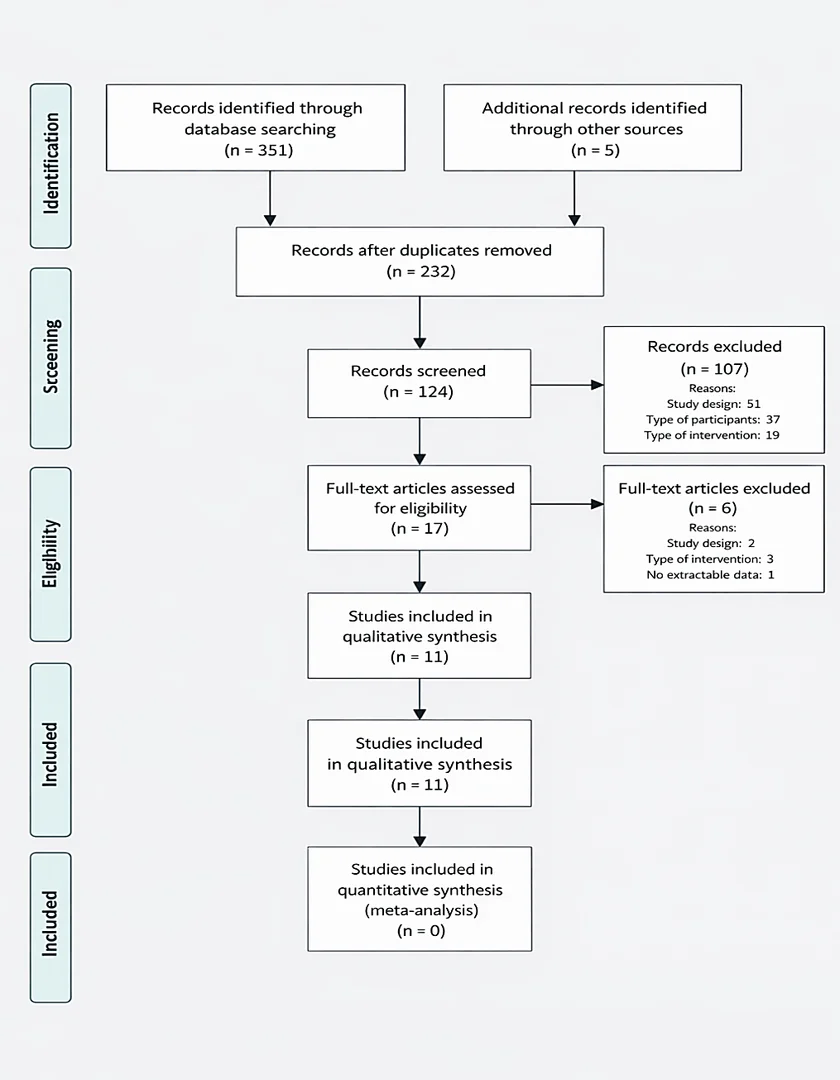
Fig. 3: Literature selection flowchart (PRISMA-style). [10]
Table 1: Summary of reviewed papers.
| Title | Year | Application | Method | Key Finding |
|---|---|---|---|---|
| Machine Learning for Smart Irrigation | 2022 | Optimized irrigation scheduling | ML models (Random Forest, Neural Networks) | predicted irrigation needs reduced water usage by 25% without affecting yield. |
| Smart Agriculture Using IoT and ML | 2021 | Crop monitoring and yield prediction | IoT sensors + Machine Learning models (SVM, RF) | Real-time monitoring improves yield prediction accuracy; reduced resource wastage. |
| IoT-based Precision Farming System | 2020 | Soil moisture and temperature monitoring | IoT sensors + Data Analytics | Automated irrigation based on sensor data increased water efficiency by 30%. |
| Deep Learning for Plant Disease Detection | 2019 | Disease identification | Convolutional Neural Networks (CNN) | CNN models achieved 95% accuracy in detecting common crop diseases from leaf images. |
2.2 Keywords
IoT Agriculture: In agriculture, networked technologies such as monitoring devices, autonomous aircraft, and intelligent systems of irrigation are used to collect real-time data on crops, soil, and environmental factors. [12] Smart Farming: This refers to the incorporation of cutting-edge technologies into conventional farming methods, including robotics, drones, AI, machine learning, and the Internet of Things. [13] It emphasizes automation, sustainability, resource optimization, and precision agriculture. Farmers can more effectively monitor, forecast, and manage farming operations thanks to smart farming. [14] ML in Agriculture: Large amounts of agricultural data gathered by sensors, satellites, and drones are analyzed using machine learning algorithms. [15] Crop production, disease outbreaks, soil health, and irrigation requirements can all be predicted using ML models. [16] In order to transform unprocessed data into insights that farmers can use, algorithms like Random Forests, Support Vector Machines (SVM), and Deep Learning are essential. [17] Crop Prediction: Using information gathered from IoT devices, satellite imaging, weather data, and historical agricultural records, crop prediction forecasts yield and growth patterns. [18] Accurate yield estimations can be produced by fusing IoT and ML, which aids in market forecasts, sustainable agricultural methods, and food security planning. [19]
3. IoT-Based Smart Agricultural Systems
IoT-based smart agricultural systems enable the integration of computers with a wide range of internet-connected devices. Things such as sensors, transducers, actuators, utilities, and other network-enabled devices, can now be linked through the Internet of Things (IoT) paradigm. [20] Web services function as a programming layer protocol that allows end users to interact with management, operations, functionalities, and communication interfaces. A design that promotes interoperability ensures seamless communication and integration across different components, devices, and platforms, thereby enhancing the efficiency and reliability of smart agriculture systems. [21] Table 2 provides an overview of IoT devices used in agriculture.
Table 2: IoT devices in agriculture.
| IoT Device | Parameter Measured | Connectivity | Application |
|---|---|---|---|
| Soil Moisture Sensor | Soil water content | LoRa, Zigbee, Wi-Fi | Smart irrigation and water resource management |
| Temperature & Humidity Sensor (DHT11/DHT22) | Air temperature and relative humidity | Wi-Fi, Zigbee, Bluetooth | Monitoring micro-climate for crop growth |
| pH Sensor | Soil pH levels | Wi-Fi, LoRa | Soil quality assessment and fertilizer planning |
| NPK Sensor | Nitrogen, Phosphorus, Potassium content | Wi-Fi, GSM | Precision fertilization and soil nutrient balance |
3.1 Sensors
The sensors form the foundation of the system. They are positioned across the agricultural field to capture crop-related and environmental data in real time. [22] Gateway: The gateway serves as a link between the sensors and the cloud. It collects data from several sensors, analyzes it if needed, and then securely transmits it to the cloud. Communications technologies include cellular networks, Wi-Fi, Zigbee, and LoRa. [23] It carries out tasks including combining data from several sensors and cutting down on unnecessary transfers to conserve bandwidth and electricity. [24] Cloud: Utilizing cutting-edge computing techniques, the cloud serves as the primary location for storing, processing, and analysing the gathered data. [25] carries out tasks like safely storing vast amounts of farm data. incorporating outside data, including weather predictions. [26] Farmer Interface: The end-user layer that provides farmers with accessible access to the data being processed is known as the farmer interface. [27] carries out tasks such giving individualized advice on irrigation, applying nutrients, and pest control, as well as supplying real-time assessment of soil, crop, as well as weather conditions. [28] The overall architecture of a smart farming IoT system, including sensors, gateways, cloud infrastructure, and user interfaces, is illustrated in Fig. 4.
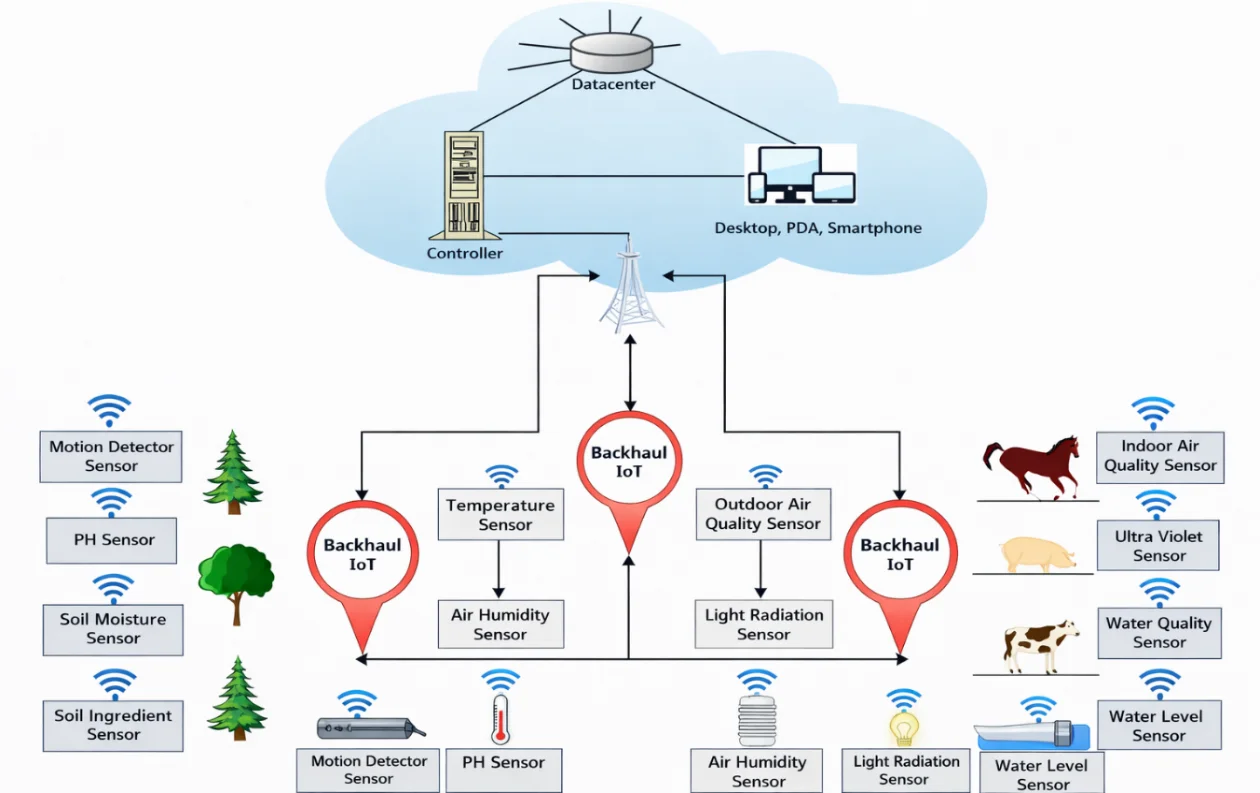
Fig. 4: IoT architecture for smart farming.
3.2 Layers
Devices, Sensors and Microcontroller: Layer 1 is made up of devices, sensors, and microcontrollers; Layer 1 is always where the architecture starts. [29] This layer includes smart gadgets like digital glasses, electronic watches, various actuators, sensors, and smartphones, as well as industrial robots, PLCs, advanced robotics, and other microcontrollers. The relationship between people and robots is enhanced by these devices. [30]
Network, Communication, Protocols: The raw data gathered from the preceding layer is transformed into actionable information by this layer. This layer is more powerful than its predecessor because it is where foundation stations or gateways are developed. [31] Sending protocol-based notifications to production equipment is one example from the real world. Even developers can add more scientific capabilities with tools, for example, AWS Lambda function calls. [32]
Cloud Infrastructure: Using a variety of data analysis techniques, the information gathered from multiple sources is arranged in this layer based on requirements. [33] Because the acquired data is stored as needed, the information that has been processed is original. Cloud services concentrate on a single location where customers can apply analysis to data that has already been prepared. End users can save both organized and unstructured data at any time with these services. Connected data and connected services are examples of region-based data resources. These techniques facilitate the reuse of web- or cloud-based data and services. [34]
Big Data Analysis: There is a possibility of producing a lot of data when linked to the Internet of Things, which needs to be analyzed in many ways. Big data may require modifications to new optimizers or algorithms. [35] Connecting everything on Earth to the internet may seem odd, but online services and the Internet of Things will transform our lives in the future by enabling the impossibly conceivable. [36]
3.3 Examples of IoT platforms for agriculture.
Thing Speak: This well-known free-software Internet of Things application platform is used for agricultural prototyping and research. [37] Kaa IoT Platform: Kaa is an independently developed, highly flexible Internet of Things platform. advantageous for livestock monitoring using smart irrigation and precision farming, when several sensor nodes require centralized control. [38] IBM Watson IoT: This commercial cloud-based solution integrates artificial intelligence and advanced analytics. use meteorological and sensor data to anticipate production, optimize fertilizer use, and predict agricultural diseases. [39] Microsoft Azure IoT Suite: Microsoft Azure IoT offers comprehensive IoT solutions that incorporate big data analytics and cloud integration, providing farmers with real-time decision help while keeping an eye on climate, soil health, and agricultural equipment. [40] Google Cloud IoT Core: With its sophisticated machine learning capability, Google Cloud IoT Core is built to manage extensive IoT deployments. predictive irrigation systems, satellite data integration, and extensive agricultural monitoring. [41]
4. Machine Learning Methods
By facilitating data-driven decision-making, machine learning (ML) techniques are essential to converting traditional farming into smart agriculture. [1] Large volumes of agricultural data, including crop photos, weather, soil parameters, and sensor readings, are gathered in real time through the integration of IoT devices. [2] The Table 3 provides a brief comparison of ML and DL models used in agriculture in terms of Input Features, Dataset Used, Accuracy percentage and etc. Machine learning models examine this data to find trends, forecast results, and give farmers useful information. [3] The following ML techniques are frequently applied in agriculture:
Table 3: Comparison of ML/DL models in agriculture.
| Model | Input Features | Dataset Used | Accuracy (%) | Pros | Cons |
|---|---|---|---|---|---|
| Support Vector Machine (SVM) | Leaf images, soil properties, weather data | Plant Village, UCI datasets | 85–92 | Works well with small datasets, good for classification | Struggles with large datasets, tuning is complex |
| Random Forest (RF) | Soil nutrients, temperature, rainfall, crop yield records | Kaggle crop yield dataset, regional agricultural data | 88–94 | Handles noisy data, less overfitting | Less interpretable, slower with very large data |
| k-Nearest Neighbours (k-NN) | Crop disease images, sensor data | Plant Village, field survey data | 80–87 | Simple, effective for small datasets | Computationally expensive, sensitive to noise |
| Artificial Neural Network (ANN) | Weather, soil moisture, yield history | Custom farm datasets, FAO data | 90–95 | Learns complex relationships, adaptable | Requires large datasets, “black-box” nature |
| Convolutional Neural Network (CNN) | Crop/leaf images for disease detection | Plan Village (50k images) | 95–99 | High accuracy in image recognition, automates feature extraction | Needs large label datasets, high computational power |
4.1 ML methods
Decision Tree: A decision tree is a supervised learning technique used for classification and regression. It separates this information into branches based on feature values to produce a model that resembles a decision tree. In smart agriculture, crop types are forecasted based on information from IoT sensors about temperature, humidity, and soil properties. [4] Analyzing data from optical sensors and the surroundings to detect plant diseases or pests. providing farmers with simple-to understand instructions for making choice. It is very easy to understand and display, and it performs well with both numbers and categories of information. [5]
Random Forest: Random Forest is an ensemble learning approach that builds many decision trees and combines their findings (majority vote for classification, average for regression) in order to improve accuracy. [6] Smart agriculture is employed for utilizing multi-sensor data (soil, weather, and irrigation) to forecast agricultural yield, utilizing IoT-enabled image sensors to classify plant health, effectively managing big agricultural datasets with several features. [7] It has a high accuracy and resilience to overfitting, and it can handle big datasets and missing values efficiently. [8]
Support Vector Machine: SVM is a supervised learning method for regression and classification. It finds the optimal hyperplane between measurements of different classes with the biggest margin. [9] Precision farming optimizes fertilization and irrigation schedules, IoT sensors detect anomalies in soil or water quality, and smart farmland uses sensor or image data to categorize crops or predict plant illnesses. It is effective in high-dimensional domains and does effectively with small to medium-sized datasets. [10]
k-Nearest Neighbors (k-NN): The simple instance-based learning method known as k-NN classifies a sample based on most of the class of the closest k u in the feature space. Using data from adjacent field sensors, smart agriculture can anticipate crop suitability or soil fertility, diagnose plant illnesses or pest infestations by comparing them to known cases, and monitor environmental conditions to inform local farm management. [11] Logistic Regression: One statistical technique for binary or multi-class categorization is logistic regression. It uses a logistic (sigmoid) function to assess the likelihood of a result. [12] Smart agriculture is used to classify crop adaptability in various climatic zones, forecast irrigation demands (yes/no) in precision farming, and estimate the likelihood of crop disease development based on IoT sensor inputs (temperature, humidity, and soil moisture). [13]
4.2 Deep learning (DL) methods
One statistical technique for binary or multi-class categorization is logistic regression. It uses a logistic (sigmoid) function to assess the likelihood of a result. [14] Smart agriculture is used to classify crop adaptability in various climatic zones, forecast irrigation demands (yes/no) in precision farming, and estimate the likelihood of crop disease development based on IoT sensor inputs (temperature, humidity, and soil moisture). [15]
4.2.1 Convolutional Neural Network (CNN)
CNNs constitute specialized neural networks that are made to recognize patterns and images. They employ fully linked layers for classification and convolutional layers in order to automatically learn features of space like as edges, textures, and forms. [16] From low-level features (edges) to high-level features (plant disease patterns), CNNs automatically learn hierarchical representations are employed in smart agriculture to detect agricultural diseases. IoT cameras or drones take pictures of leaves and fruit, and CNNs determine if the crop seems healthy or sick. [17] Additionally utilized for the analysis of soil and leaf images, fruit grading and harvesting, and weed identification. [18]
4.2.2 Long Short-Term Memory (LSTM)
Recurrent neural networks (RNNs) of the LSTM type are made to handle sequential and time-varying information. Memory cells and gates (which include input, forget, and return gates) that regulate what data is kept, updated, or forgotten are used by LSTMs to address the vanishing gradient problem, in contrast to conventional RNNs. [19] They are therefore quite good at identifying long-term dependencies. Weather forecasting, yield for crop prediction, irrigation management, and disease spread forecasting are all done with LSTM in smart agriculture. [20] LSTMs can model continuous time-series data from IoT sensors as well as weather stations, such as temperature, humidity, and rainfall, to predict future trends. Long-term temporal dependencies are effectively handled by LSTM. [21] Large datasets are necessary for high accuracy. [22]
4.2.3 Autoencoders
Unsupervised neural networks called autoencoders are designed to acquire effective data representations. In order to reconstruct the original input with this constrained form, the encoder compresses the input information to generate a latent representation, and the decoder does the same. There is an anomaly if the replication error is significant. Because of this, autoencoders are helpful for dimensionality reduction and anomaly detection. [23] The autoencoder is utilized in smart agriculture to identify faults in IoT sensors by identifying anomalous signals from sensors measuring temperature, nutrient levels, or soil moisture. Additionally, in Early Warning Systems, Data Denoising, and Crop Anomaly Detection. [24]
4.2.4 Hybrid CNN + LSTM
This hybrid model combines the temporal sequence learning of LSTM with the spatial feature extraction of CNN. First, spatial patterns are extracted by CNN. [25] In order to capture temporal dependencies, LSTM then processes the above characteristics over time. [26] such as sensor grids or image characteristics. The hybrid The CNN network + LSTM is utilized in Smart Agriculture to monitor crop diseases over time. CNN recognizes disease characteristics from photos, while LSTM monitors the illness's progression over a period of weeks or months. [27] LSTM forecasts future water demand, whereas CNN evaluates soil pictures for texture and quality. [28] While LSTM predicts yield by modelling seasonal patterns, CNN analyses drone photos of fields. [29] Integrating temporal (time-series) and spatial (image) data is the aim of Hybrid CNN + LSTM. Additionally, for multimodal agricultural datasets, it is considerably more precise than CNN or LSTM alone. [30]
5. Agriculture Sensors and Devices
Sensors are crucial to agricultural IoT systems because they gather data. The data that these smart gadgets gather is sent to designated storage locations. The temperature sensor is one of the most crucial kinds of sensors utilized in agriculture. [31]
5.1 Sensors
Temperature Sensors: These devices track the temperature of the air and soil. These are essential components of farming systems based on IoT. [32]
pH Sensors: A sensor that detects pH can be used to determine whether the soil has excessive nitrogen or not enough nutrients. The pH of the soil is measured by the second kind of sensor. Plants may grow sickly, little leaves with brown patches if the soil is either alkaline or too acidic. [33]
Soil Moisture Sensors: By determining how much water plants require, these sensors can enhance irrigation. There are two varieties of soil moisture sensors: touching and non-contact. [34]
Humidity sensors: Plant leaves function best when they are not overly wet, so it's critical to know the humidity level. Farmers can determine when what and how ample water they ought to use by monitoring humidity. [35] Weather sensors include a) a rainfall sensor, which uses a rain gauge to detect the amount of rain that falls, including the amount that falls in an hour. It indicates the amount of rain that is falling right now. [36] b) wind speed tracker, a wind speed sensor indicates the direction of the wind. The location affects its accuracy. [37] The general workflow from sensor data acquisition to farmer notification is illustrated in Fig. 5. The specifications and applications of commonly used agricultural sensors are listed in Table 4.
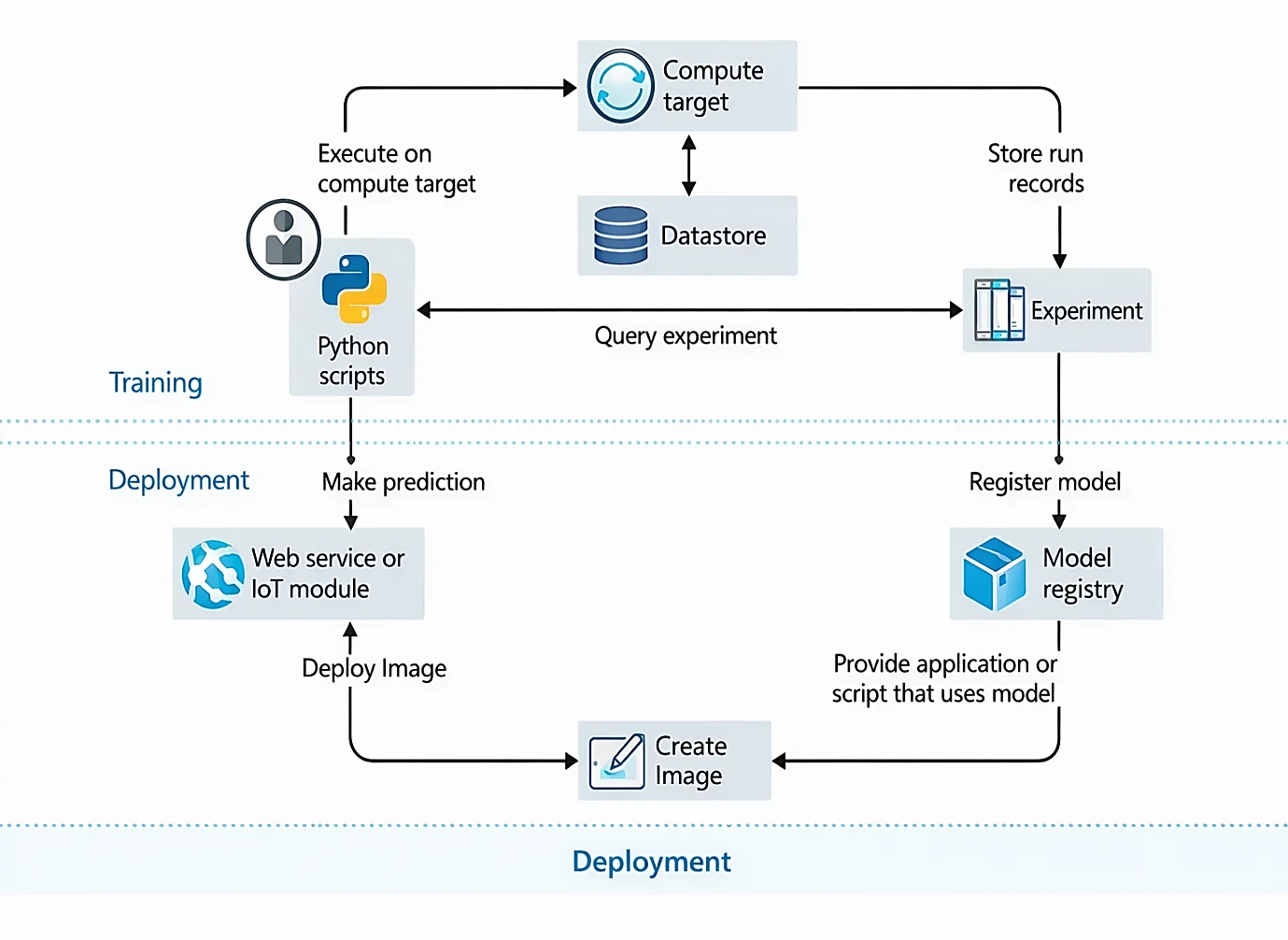
Fig. 5: Workflow: sensor data → ML model → prediction → farmer alert.
5.2 Evaluation of IoT and drone-based systems: pros, cons, accuracy, and energy challenges
Nutrient and Cameras (Drones): These devices measure phosphorus, potassium, and nitrogen (NPK), which is useful for determining when to harvest, enhancing security, and assessing crop health. Blue, red, and green RGB camera sensors are able to record visual information that is then analysed by intelligent algorithms. [38] Farmers may determine the type and amount of fertilizer to use by measuring the NPK levels, which indicate how nutrient-rich their soil is. Energy concerns, accuracy, and pros and disadvantages.
Table 4: Agricultural sensors.
| Application | Method | Features and Benefits |
|---|---|---|
| Precision farming resource waste | IoT sensors track plant-level data; ML gives targeted input (fertilizer, pesticide) | Boosts yield, reduce |
| Yield Prediction | IoT stations collect real-time local weather data; ML improves forecast accuracy | Helps in planning |
| Weather Forecasting | IoT wearables track animal health; ML detects illness or stress patterns. | Better planning for planting |
| Livestock Monitoring | IoT cameras scan fields; ML identifies and locates weeds reduces herbicide use | Improves animal health |
| Weed Detection | IoT tracks harvest, storage, and transport; ML predicts demand and spoilage risk | Enables targeted weeding |
Benefits of smart agriculture: There is a noticeable loss in parameters when a fully connected layer is used in place of the convolution layer. [39] By optimizing the margin amongst categories through the use of kernel functions, it makes effective data grouping possible. [40] Intelligent pest management, fertilization, and irrigation cut waste and boost productivity. Predictive analytics (using ML) and real-time monitoring (using sensors) aid in resource optimization and agricultural output growth. [41] An example of IoT and machine learning integration for agricultural monitoring with field sensor placement is illustrated in Fig. 6 and the major applications of IoT and ML in agriculture are summarized in Table 5.
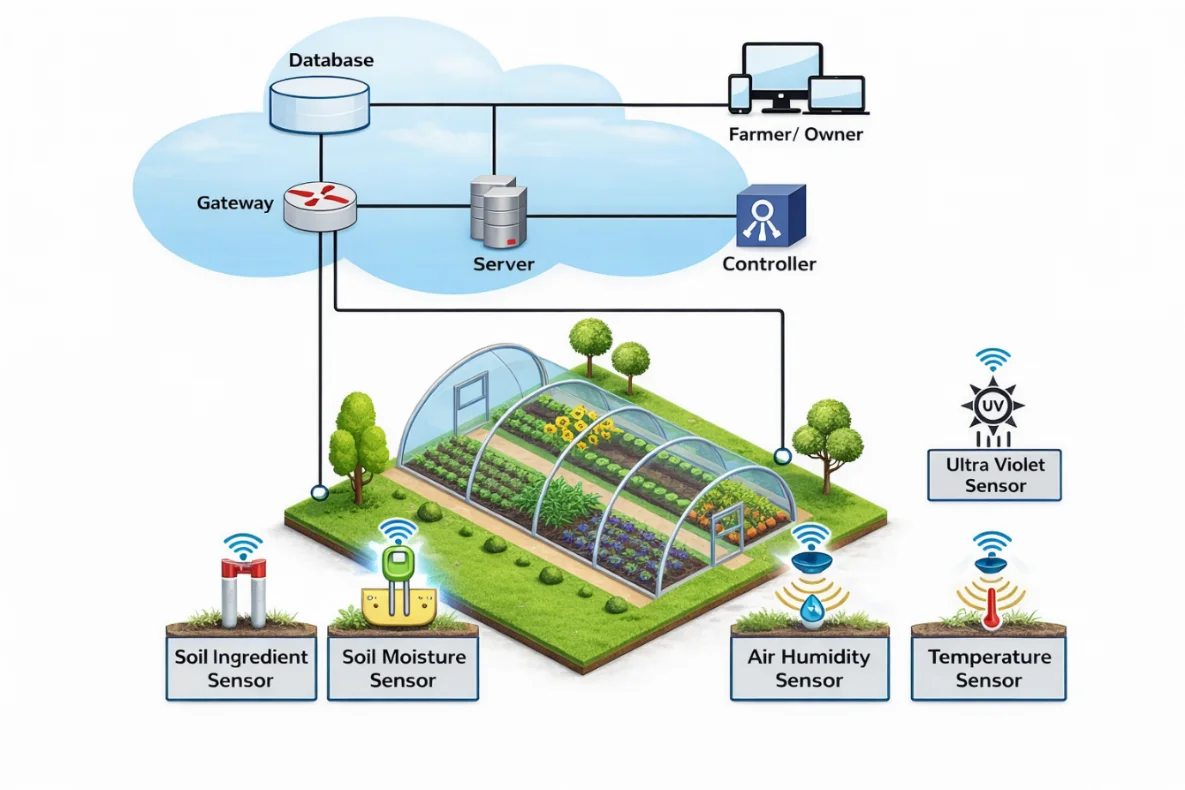
Fig. 6: Application of IOT and machine learning in agriculture with sensor placement in crop fields monitoring.
Table 5: Applications of IoT and ML in agriculture.
| Challenges | Solutions |
|---|---|
| Unpredictable weather | ML models and IoT weather stations → better, more accurate local weather forecasts |
| Water scarcity | Smart irrigation systems → IoT soil sensors and ML determine exactly how much water crops need |
| Crop diseases and pests | Drones with image recognition → ML detects signs of disease or pests early from data collected by IoT devices |
| Overuse of fertilizers and pesticides | Precision farming → IoT monitors soil and crop conditions; ML suggests the best amounts to use |
| Low yield or productivity | Yield prediction → ML analyses past data and sensor info to help with planting and harvesting. |
Drawbacks: Scaling large datasets is often difficult. Having overfits with too many characteristics, making it difficult to comprehend the complex relationship between features. [42] Occasionally, results from inaccurate data sets may contradict one another To use and comprehend smart technology, farmers or employees could require training IoT systems need frequent maintenance and are susceptible to failure in severe settings (dust, rain, etc. [43] Traditional agricultural expertise and resilience in the event of a system collapse may be diminished by reliance on technology. [44]
5.3 Energy issue
Data Preprocessing: Exploratory Data Analysis (EDA), was used using Jupyter Notebook modules like Pandas and NumPy to automate this information cleaning procedure.
Model Training: Characteristics like temperature, humidity, rainfall, soil pH, and NPK levels are all included in the training dataset. [45]
Model evaluation: The many evaluation criteria used to gauge the effectiveness of the models in use are presented in this section. It is a crucial stage in the creation of models and is frequently used to show how reliable a model is in terms of performance. [46]
Data Source: A sampling of soil and historical climatic data from farms along the Wannune axis served as the study's data sources. Among the factors are soil pH, humidity, rainfall, phosphorus (P), magnesium (K), and nitrogen (N). [47] Data collection: Temperature, humidity, light levels, moisture in the ground, and other pertinent factors are among the many variables that the sensors are responsible for gathering data on. [48]
6. Role of IoT in Agricultural Management
6.1 Crop monitoring
IoT aids in monitoring the soil's concentrations of vitamins, potassium, phosphorus, nitrogen, and other minerals. Farmers may use this to determine when and how much fertilizer to apply. [49] This ensures that crops get the nutrients they need to grow healthily and produce high-quality food without requiring too much or too little fertilizer. It also reduces trash and helps the environment. IoT also keeps track on climatic factors like temperature, light, and moisture to give farmers constant updates on their crops. [50] The overall smart agriculture workflow is illustrated in Fig. 7.
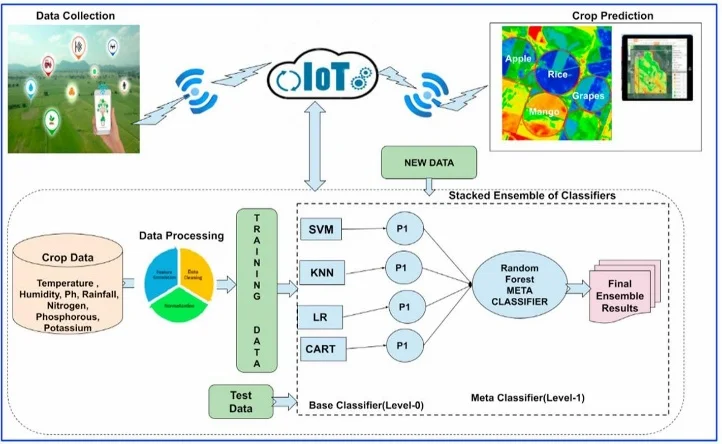
Fig. 7: Smart agriculture workflow (farm sensors → cloud/ML → farmer mobile app).
6.2 Irrigation management
Smart irrigation uses Internet of Things (IoT) sensors to track soil moisture, weather, and other variables. Weather conditions, water in the soil, and even sunshine are all measured by these sensors. The data is wirelessly received by a central system, often situated in the cloud. [51]
6.3 Precision livestock farming
Crop management in farming involves the use of drones, Internet of Things sensors, and data analysis. photos of plantings are taken by drones fitted using specialized cameras and sensors. These photos are then processed by advanced algorithms to detect problems like pests or diseased crops. By helping farmers make well-informed decisions, this lowers costs and boosts agricultural production. [52]
6.4 Supply chain and storage monitoring
Real-time data is transmitted to a central network from connected gadgets in packaging and storage locations. [53] This provides all parties with comprehensive information on the location and state of the items. IoT, for instance, maintains fruits and vegetables at the proper humidity and temperature while they are being transported. Additionally, it offers real time tracking, which improves the efficiency of the supply chain by assisting in the movement of commodities from fields to factories and ultimately to consumers. [54]
7. Challenges and Limitations
7.1 Technical
Connectivity is one of the major challenges in implementing IoT in agriculture, as reliable system performance depends on stable internet access, particularly in remote rural areas where network infrastructure is often weak. [55] This makes it hard to send data and check on things in real time. [56] To fix this, building better internet infrastructure in those areas can help create a system that reliably sends and receives data. [57]
Security and privacy of data: Data security becomes increasingly crucial as more is gathered. Data that has been compromised may be taken, altered, or distributed without authorization. Farmers may suffer financial losses, reputational harm, and even legal problems as a result of this. [58] To prevent this, the risk can be decreased by implementing measures such data encryption, establishing stringent access controls, and maintaining security. [59]
Interoperability and standardization: It can be hard to make sure different IoT devices and systems from different companies work together without problems. For this to work, the industry needs to agree on common standards and work together. [60]
Scalability: By automating processes that would normally need human labour, IoT in agribusiness helps decrease waste, minimize environmental impact, and save time and money. [61]
7.2 Environmental
Adoption and awareness: Getting farmers to use IoT can be tough. Some are hesitant to invest in new tech because they don’t understand the benefits, don’t trust the technology, or don’t have enough information to decide. So, creating programs that teach farmers about the benefits of IoT and help them overcome their doubts is important. [62] Smart Grids, Microgrids, and Renewable Energy: Due of sensors, navigational systems, and data transport, smart farming requires a lot of electricity. Using alternative sources of energy helps address persistent power problems in rural places. Local energy systems include microgrids and smart grids. Additionally, new energy storage systems may store heat and power, increasing the efficiency of energy consumption. [63] Environmental and Sustainability Concerns: IoT devices that run on batteries need to be replaced or charged often, which costs money and creates a lot of electronic waste. Solar-powered IoT devices are being developed to help, but they are still expensive and don’t work well in areas with little sunlight. Also, broken or faulty sensors need to be replaced, which adds to costs and e-waste. Making IoT devices more durable, weather resistant, and recyclable is important to reduce their environmental impact. [64] Technology Accessibility: Using cutting-edge technology might be challenging in some areas due to a lack of new tools and reliable internet. Farmers find it challenging to employ intelligent agricultural practices as a result. [65] For these techniques to gather and exchange sensor data, high quality equipment and a fast internet connection are required. Farmers in areas without these find it more difficult to take advantage of these advancements as they are unable to properly utilize the newest farming equipment. [66] Regulatory Compliance: Farmers using precision farming have to follow many rules set by national and municipal governments regarding environmental protection, land management, and data use. These rules can make things more complex and expensive. [67] Sticking to all the rules about data, how land is used, and how the environment is treated can be a big challenge, adding more time and cost for farmers using precision farming. It helps maintain transparency by recording farming practices, fertilizer use, and pesticide applications in line with regulations. Compliance also builds trust among consumers and policymakers, supporting sustainable and legal agricultural practice. [68]
Table 6 summarizes the key challenges associated with smart agriculture and the solutions recommended in the literature.
Table 6: Challenges vs solutions in smart agriculture.
| Challenges | Solutions |
|---|---|
| Unpredictable weather | ML models and IoT weather stations → better, more accurate local weather forecasts |
| Water scarcity | Smart irrigation systems → IoT soil sensors and ML determine exactly how much water crops need |
| Crop diseases and pests | Drones with image recognition → ML detects signs of disease or pests early from data collected by IoT devices |
7.3 Social/economic
Farmers may benefit from using Technology in farming by producing higher-quality, more transparent, and sustainable goods. [69] This makes companies stand out from the competition, satisfies consumer demand for environmentally friendly items, and raises the price at which they sell their goods. Adopting IoT gives farmers a significant opportunity to increase revenue and set their goods apart in a competitive market, as consumers' concerns about environmentalism and transparency grow. [70,71] IoT helps farmers save money by managing resources better and using predictive maintenance. [72] With real-time data, they can run their farms more efficiently, cut down on waste, and boost their profits over time. [73]
8. Emerging Technologies in Smart Agriculture
8.1 Edge AI and federated learning for local farm data analysis
Drones are increasingly being used in farming as IoT and connectivity technologies advance. [74] Drone abilities in agriculture could be greatly improved in the future by AI. AI may be used by drones to help with tasks including agricultural inspection, water management, crop health monitoring, planting, crop spraying, and soil analysis. [75] Tracking agricultural conditions is made easier by drones fitted with a variety of sensors, including ordinary cameras, thermal photos, 3D images, and multispectral photography. Disease detection, plant density measurement, and soil health monitoring. [76]
8.2 5G/6G for real-time farm monitoring
In order to influence the direction of agriculture in the future, it is crucial to encourage global collaboration and the open exchange of data in the area of precision farming. [77] The goal of this cooperative is to create a comprehensive yet accurate knowledge database that will provide agricultural decision-makers with a wealth of helpful information. [5] Through international collaboration, farmers may gather data from diverse regions. Combining this worldwide expertise yields a useful resource for enhancing precision farming techniques, honing forecasts, and implementing sustainable practices over a wider region. This ultimately supports the global goal of ensuring food security and promoting agriculture that is better for the environment. [78]
8.3 AI enabled drones for precision spraying
Drones are increasingly being used in farming as IoT and connectivity technologies advance. Drone abilities in agriculture could be greatly improved in the future by AI. [79] AI may be used by drones to help with tasks including agricultural inspection, water management, crop health monitoring, planting, crop spraying, and soil analysis. [80] Tracking agricultural conditions is made easier by drones fitted with a variety of sensors, including ordinary cameras, thermal photos, 3D images, and multispectral photography. [81] Disease detection, plant density measurement, and soil health monitoring. [82]
8.4 Blockchain for food supply chain traceability
Smart farming could be revolutionized by these three technologies. The sustainability, effectiveness, and transparency of farming could all be enhanced by these techniques. [83] One problem is that most contemporary artificial neural networks depend on the use of cloud services, which necessitates frequent internet connections and substantial data transfers. [84] Edge AI processes data directly on agricultural machinery, which is faster and more reliable, especially in areas with poor internet. [85] Drones and Edge AI-powered sensors can examine crop images, detect pest problems, and adjust watering schedules without the need for extra data processing. Remote farms benefit from this speedy decision-making. [86] Edge AI will be essential to automated precision farming as AI technology becomes more effective and reasonably priced. [87] A novel approach to enhancing supply chain transparency and trust is the tracking of agricultural products from start to finish using blockchain technology. [88] From the agricultural process to the consumer, blockchain documents and safeguards every phase of a product's lifecycle. This lets consumers know where their food comes from and helps verify whether products are sustainable, organic, or properly traded. [89] It quickly identifies possible contamination areas during a recall, increasing consumer confidence and helping to guarantee food safety. [90] This protects public health and benefits the entire food industry. In summary, the technology of Bitcoin is a powerful tool that helps create a future where openness is at the heart of agriculture. Accountability and trust. [91]
8.5 Multi-modal prediction
By improving resource efficiency and minimizing environmental effect, precision farming techniques may be adapted for implementation in metropolitan and vertical farming, which has several advantages. [92] Utilizing data-driven strategies in tiny areas reduces the total environmental impact, conserves water, and makes better use of available resources. [93] This strategy promotes sustainable practices while satisfying the rising demand for locally produced, fresh food. All things considered, adapting precision farming for vertical and urban agriculture is a clever strategy to satisfy consumer demand for locally grown, environmentally friendly products. [94]
9. Conclusion
Farmers may increase efficiency, production, and sustainability by employing smart irrigation, precision farming, supply chain management, smart greenhouses, animal tracking, agricultural drones, pest and disease control, and crop and soil monitoring. The review's key findings demonstrate the manner in which IoT technology is significantly altering agriculture. Accurate real-time information greatly boosts output and helps keep crops from withering. Farmers can remotely monitor and control crops in real me thanks to IoT technology. All of the crucial farming-related updates and statistics are available on the Blynk app. All farming operations are fully protected by this technology, increasing output while requiring less labour. Combining IoT with Machine Learning gives a strong chance to boost productivity, sustainability, and decision-making in farming. However, there are still big challenges, like high costs, limited internet in rural areas, and low understanding of technology among farmers. At the same time, there are great opportunities, such as precision farming, early disease detection, and climate-friendly solutions that can change how food is produced. Still, there are key research areas that need more attention—like creating affordable and scalable systems, ensuring data can be shared easily, and making tools that are easy for farmers to use. Fixing these gaps is important to make smart farming accessible, dependable, and effective around the world. These technologies offer powerful capabilities to increase production, improve resource usage, and lessen environmental damage. There are still issues, though, such as expensive setup fees, spotty internet in rural locations, and farmers' lack of technological expertise. However, there are also opportunities that are transforming farming, such as automation, early danger identification, and precision farming. Important research topics including developing solutions that function in local settings, standardizing data, and constructing cost-effective systems require additional focus in order to fully realize this promise. Building robust, effective, and equitable food systems for the future requires addressing these issues. Farm Beats is a well-known and affordable Connectivity of Things (IoT) solution for farming. It makes use of TVWS, an affordable long-range technology, to support high-speed sensors. Farm Beats' weather-sensitive, sunlight-powered wireless device base station and sophisticated gateway ensure that services are available both globally and offline. The drone's battery life is further increased by its enhanced path planning algorithms. The system is already being used by farmers for three purposes: storage monitoring, animal monitoring, and precision farming. Two farms have been used to test the technique. In order to develop more Farm Beats platform apps in the future, we are working with farmers. Technological speaking, there is a lot of promise for improving the scalability and reliability of systems with developments in power efficient detectors, Ambient AI, and cryptocurrency for secure data processing. However, there are still a lot of unanswered questions. The lack of practical testing for AI-based systems for identification in complex environments, such intercropping or agroforestry, is a major issue, especially in tropical and subtropical areas. Furthermore, the absence of open-source, vendor-neutral frameworks limits the manner by which data may be used, analysed, and shared across national borders, particularly in middle- and low-income nations. As networks with Edge AI and driverless expand, many setups continue to face ethical and cybersecurity issues such as information privacy, structure transparency, and system integration into smart farming systems. In conclusion, the complete potential of machine learning and Internet of Things (IoT) in agriculture requires interdisciplinary cooperation, ethical application, and fair access. Addressing the current issues will be essential to building robust, flexible, and sustainable food systems for centuries to come.
Funding Declaration
This research did not receive any specific grant from funding agencies in the public, commercial, or not-for-profit sectors.
Data Availability Statement
The datasets generated and/or analyzed during the current study are available from the corresponding author upon reasonable request.
Conflict of Interest
There is no conflict of interest.
Artificial Intelligence (AI) Use Disclosure
The authors declare that artificial intelligence (AI)-assisted tools were used only for language refinement, grammar improvement, and manuscript structuring purposes during the preparation of this work. All technical content, experimental implementation, results, and interpretations were independently developed and verified by the authors.
Supporting Information
Not applicable.
References
- [01] Z. Saadati, C. P. Zeki, R. Vatankhah Barenji, On the development of blockchain-based learning management system as a metacognitive tool to support self-regulation learning in online higher education, Interactive Learning Environments, 2023, 31, 3148–3171, doi: 10.1080/10494820.2021.1920429.
- [02] S. I. Hassan, M. M. Alam, U. Illahi, M. A. Al Ghamdi, S. H. Almotiri, M. M. Su’ud, A systematic review on monitoring and advanced control strategies in smart agriculture, IEEE Access, 2021, 9, 32517-32548, doi: 10.1109/ACCESS.2021.3057865.
- [03] N. Chamara, M. D. Islam, G. (Frank) Bai, Y. Shi, Y. Ge, Ag-IoT for crop and environment monitoring: past, present, and future, Agricultural Systems, 2022, 203, 103497, doi: 10.1016/j.agsy.2022.103497.
- [04] A. Subeesh, C. R. Mehta, Automation and digitization of agriculture using artificial intelligence and internet of things, Artificial Intelligence in Agriculture, 2021, 5, 278–291, doi: 10.1016/j.aiia.2021.11.004.
- [05] G. S. Hundal, C. M. Laux, D. Buckmaster, M. J. Sutton, M. Langemeier, Exploring barriers to the adoption of internet of things-based precision agriculture practices, Agriculture, 2023, 13, 163, doi: 10.3390/agriculture13010163.
- [06] S. Terence, G. Purushothaman, Systematic review of internet of things in smart farming, Transactions on Emerging Telecommunications Technologies, 2020, 31, e3958, doi: 10.1002/ett.3958.
- [07] T. Daum, R. Birner, Agricultural mechanization in Africa: Myths, realities and an emerging research agenda, Global Food Security, 2020, 26, 100393, doi: 10.1016/j.gfs.2020.100393.
- [08] A. N. Arun, B. Lee, F. A. Castiblanco, D. R. Buckmaster, C-C. Wang, D. J. Love, J. V. Krogmeier, M. M. Butt, A. Ghosh, Ambient IoT: Communications Enabling Precision Agriculture, IEEE Communications Magazine, 2025, 63, 137-143, doi: 10.1109/MCOM.003.2400508.
- [09] L. Aldhaheri, N. Alshehhi, I. I. J. Manzil, R. A. Khalil, S. Javaid, N. Saeed, LoRa communication for agriculture 4.0: opportunities, challenges, and future directions, IEEE Internet of Things Journal, 2025, 12, 1380-1407, doi: 10.1109/JIOT.2024.3486369.
- [10] A. Z. Babar, O. B. Akan, Sustainable and Precision Agriculture with the Internet of Everything (IoE), arxiv Preprint, 2024.
- [11] IoT and Analytics for Agriculture, Editors: P. K. Pattnaik, R. Kumar, S. Pal, S. N. Panda, Springer, 2025, Springer Singapore, doi: 10.1007/978-981-13-9177-4.
- [12] C. Prakash, L. P. Singh, A. Gupta, S. K. Lohan, Advancements in smart farming: A comprehensive review of IoT, wireless communication, sensors, and hardware for agricultural automation, Sensors and Actuators A: Physical, 2023, 362, 114605, doi: 10.1016/j.sna.2023.114605.
- [13] M. M. Ahmed, E. E. Hassanien, A. E. Hassanien, A smart IoT-based monitoring system in poultry farms using chicken behavioural analysis, Internet of Things, 2024, 25, 101010, doi: 10.1016/j.iot.2023.101010.
- [14] H. X. Huynh, B. H. Lam, H. V. Cong Le, T. T. Le, N. Duong-Trung, Design of an IoT ultrasonic-vision based system for automatic fruit sorting utilizing size and color, Internet of Things, 2024, 25, 101017, doi: 10.1016/j.iot.2023.101017.
- [15] Q. Song, L. Li, X. Huang, LELBC: A low energy lightweight block cipher for smart agriculture, Internet of Things, 2024, 25, 101022, doi: 10.1016/j.iot.2023.101022.
- [16] O. Friha, M. A. Ferrag, L. Shu, L. Maglaras, X. Wang, Internet of things for the future of smart agriculture: a comprehensive survey of emerging technologies, EEE/CAA Journal of Automatica Sinica, 2021, 8, 718-752, doi: 10.1109/JAS.2021.1003925.
- [17] T. Shakeel, S. Habib, W. Boulila, A. Koubaa, A. R. Javed, M. Rizwan, T. R. Gadekallu, and M. Sufiyan, A survey on COVID-19 impact in the healthcare domain: worldwide market implementation, applications, security and privacy issues, challenges and future prospects, Complex & Intelligent Systems, 2023, 9, 1027–1058, doi: 10.1007/s40747-022-00767-w.
- [18] X. Yang, L. Shu, J. Chen, M. A. Ferrag, J. Wu; E. N. K. Huang, A survey on smart agriculture: Development modes, technologies, and security and privacy challenges, IEEE/CAA Journal of Automatica Sinica, 2021, 8, 273–302, doi: 10.1109/JAS.2020.1003536.
- [19] R. El Ashmawy, I. Uysal, Precision agriculture using soil sensor driven machine learning for smart strawberry production, Sensors, 2023, 23, 2247, doi: 10.3390/s23042247.
- [20] D.-M. Chang, C.-C. Hsu, C.-T. Yang, J. Yang, A data factor study for machine learning on heterogeneous edge computing, Applied Science, 2023, 13, 3405, doi: 10.3390/app13063405.
- [21] K. Pawlak, M. Kołodziejczak, The role of agriculture in ensuring food security in developing countries: considerations in the context of the problem of sustainable food production, Sustainability, 2020, 12, 5488, doi: 10.3390/su12135488.
- [22] V. R. Mahmudi, N. Khatri, S. Kumar, A. S. H. Abdul-Qawy, A. K. Vyas, A systematic review of IoT technologies and their constituents for smart and sustainable agriculture applications, Scientific African, 2023, 19, e01577, doi: 10.1016/j.sciaf.2023.e01577.
- [23] A. Restore de Araujo Zanella, E. da Silva, L.C. Pessoa Albini, Security challenges to smart agriculture: current state, key issues, and future directions, Array, 2020, 8, 100048, doi: 10.1016/j.array.2020.100048.
- [24] H. N. Saha, R. Roy, M. Chakraborty, C. Sarkar, IoT‐enabled agricultural system application, challenges and security issues, in Agricultural Informatics: Automation Using the IoT and Machine Learning, Wiley, 2021, 223-247, doi: 10.1002/9781119769231.ch11.
- [25] K. Demestichas, N. Peppes, T. Alexakis, Survey on security threats in agricultural iot and smart farming, Sensors, 2020, 20, 6458, doi: 10.3390/s20226458.
- [26] P. Nayak, K. Kavitha, C. Mallikarjuna Rao, IoT-Enabled Agricultural System Applications, Challenges and Security Issues. In: Pattnaik, P., Kumar, R., Pal, S., Panda, S. (eds) IoT and Analytics for Agriculture. Studies in Big Data, Springer, Singapore, 2020, 63, doi: 10.1007/978-981-13-9177-4_7.
- [27] N. Sindhwani, V.P. Maurya, A. Patel, R.K. Yadav, S. Krishna, R. Anand, Implementation of intelligent plantation system using virtual IoT, in: 2022: pp. 305–322.
- [28] M. Javaid, A. Haleem, R. P. Singh, R. Suman, Enhancing smart farming through the applications of agriculture 4.0 technologies, International Journal of Intelligent Networks, 2022, 3, 150–164, doi: 10.1016/j.ijin.2022.09.004.
- [29] A. Rehman, T. Saba, M. Kashif, S.M. Fati, S.A. Bahaj, H. Chaudhry, A revisit of internet of things technologies for monitoring and control strategies in smart agriculture, Agronomy, 2022, 12, 127.
- [30] P. D. Rosero-Montalvo, V. C. Erazo-Chamorro, V. F. López-Batista, M. N. Moreno-García, D. H. Peluffo-Ordóñez, Environment monitoring of rose crops greenhouse based on autonomous vehicles with a WSN and data analysis, Sensors, 2022, 20, 5905.
- [31] M.S. Farooq, S. Riaz, A. Abid, T. Umer, Y. Bin Zikria, Role of IoT technology in agriculture: a systematic literature review, Electronics (Basel), 2020, 9, 319, doi: 10.3390/electronics9020319.
- [32] S. Ullah, G. Hafeez, G. Rukh, F.R. Albogamy, S. Murawwat, F. Ali, F.A. Khan, S. Khan, K. Rehman, A smart sensors-based solar-powered system to monitor and control tube well for agriculture applications, Processes, 2022, 10, 1654, doi: 10.3390/pr10081654.
- [33] E. Nigussie, T. Olwal, G. Musumba, T. Tegegne, A. Lemma, F. Mekuria, IoT-based irrigation management for smallholder farmers in rural sub-Saharan Africa, Procedia Computer Science, 2020, 177, 86-93, doi: 10.1016/j.procs.2020.10.015.
- [34] E. Navarro, N. Costa, A. Pereira, A systematic review of IoT solutions for smart farming, Sensors, 2020, 20, 4231, doi: 10.1016/j.procs.2020.10.015.
- [35] S. D. Mamdiwar, R. A. Z. Shakruwala, U. Chadha, K. Srinivasan, C.-Y. Chang, Recent advances on IoT-assisted wearable sensor systems for healthcare monitoring, Biosensors, 2021, 11, 372, doi: 10.1016/j.procs.2020.10.015.
- [36] M. Zhang, X. Wang, H. Feng, Q. Huang, X. Xiao, X. Zhang, Wearable Internet of Things enabled precision livestock farming in smart farms: A review of technical solutions for precise perception, biocompatibility, and sustainability monitoring, Journal of Cleaner Production, 2021, 312, 127712, doi: 10.1016/j.jclepro.2021.127712.
- [37] E. S. Mohamed, A. A. Belal, S. Kotb Abd-Elmabod, M. A. El-Shirbeny, A. Gad, M. B. Zahran, Smart farming for improving agricultural management, The Egyptian Journal of Remote Sensing and Space Science, 2021, 24, 971–981, doi: 10.1016/j.ejrs.2021.08.007.
- [38] K. Bajaj, B. Sharma, R. Singh, Integration of WSN with IoT Applications: A vision, architecture, and future challenges, integration of WSN and IoT for smart cities. EAI/Springer Innovations in Communication and Computing, in: S. Rani, R. Maheswar, G. Kanagachidambaresan, P. Jayarajan (Eds.), Springer, Cham, 2020.
- [39] F. A. Almalki, B. O. Soufiane, S. H. Alsamhi, H. Sakli, A low-cost platform for environmental smart farming monitoring system based on IoT and UAVs, Sustainability, 2021, 13, 5908, doi: 10.3390/su13115908.
- [40] K. Sharma, S. K. Shivandu, Integrating artificial intelligence and Internet of Things (IoT) for enhanced crop monitoring and management in precision agriculture, Sensors International, 2024, 5, 100292, doi: 10.1016/j.sintl.2024.100292.
- [41] J. Bayar, N. Ali, Z. Cao, Y. Ren, Y. Dong, Artificial intelligence of things (AIoT) for precision agriculture: applications in smart irrigation, nutrient and disease management, Smart Agricultural Technology, 2025, 12, 101629, doi: 10.1016/j.atech.2025.101629.
- [42] C. Aliferis, G. Simon, Overfitting, underfitting and general model overconfidence and under-performance pitfalls and best practices in machine learning and AI. In: Simon, G.J., Aliferis, C. (eds) Artificial Intelligence and Machine Learning in Health Care and Medical Sciences. Health Informatics. Springer, Cham. 2024, doi: 10.1007/978-3-031-39355-6_10.
- [43] S. Choudhury, R. Singh, A. Gehlot, P. Kuchhal, S. V. Akram, N. Priyadarshi, B. Khan, Agriculture field Automation and digitization using internet of things and machine learning, Journal of Sensors, 2022, 9042382, doi: 10.1155/2022/9042382.
- [44] M. P. M. Meuwissen, P. H. Feindt, A. Spiegel, C. J. A. M. Termeer, E. Mathijs, Y. de Mey, R. Finger, A. Balmann, E. Wauters, J. Urquhart, M. Vigani, K. Zawalińska, H. Herrera, P. Nicholas-Davies, H. Hansson, W. Paas, T. Slijper, Isabeau Coopmans, W. Vroege, A. Ciechomska, F. Accatino, B. Kopainsky, P. M. Poortvliet, J. J. L. Candel, D. Maye, S. Severini, S. Senni, B. Soriano, C-J. Lagerkvist, M. Peneva, C. Gavrilescu, P. Reidsma, A framework to assess the resilience of farming systems, Agricultural Systems, 2029, 176, 102656, doi: 10.1016/j.agsy.2019.102656.
- [45] B. Dey, J. Ferdous, R. Ahmed, Machine learning based recommendation of agricultural and horticultural crop farming in India under the regime of NPK, soil pH and three climatic variables, Heliyon, 2024, 10, e25112, doi: 10.1016/j.heliyon.2024.e25112.
- [46] G. Varoquaux, O. Colliot, Evaluating Machine Learning Models and Their Diagnostic Value. In: Colliot, O. (eds) Machine Learning for Brain Disorders. Neuromethods, 2023, 197, Humana, New York, NY, doi: 10.1007/978-1-0716-3195-9_20.
- [47] S. Omar, Internet of Things (IoT) for smart farming: a systematic review, International Journal of Computer Applications, 2021, 174, 47-54, doi: 10.5120/ijca2021921182.
- [48] J. T. Iorzua, D. K. Kwaghtyo, T. P. Hule, A. T. Ibrahim, and A. D. Nongu, AI-Driven approach to crop recommendation: tackling class imbalance and feature selection in precision agriculture, Journal of Future Artificial Intelligence and Technologies, 2025, 2, 269–281.
- [49] R. Singh, D. B. Yadav, N. Ravisankar, A. Yadav, H. Singh, Crop residue management in rice–wheat cropping system for resource conservation and environmental protection in north-western India, Environment, Development and Sustainability, 2020, 22, 3871–3896, doi: 10.1007/s10668-019-00370-z.
- [50] Abdennabi Morchid, Rachid El Alami, Aeshah A. Raezah, Yassine Sabbar, Applications of internet of things (IoT) and sensors technology to increase food security and agricultural Sustainability: Benefits and challenges, Ain Shams Engineering Journal, 2024, 15, 3, 102509, doi: 10.1016/j.asej.2023.102509.
- [51] R. K. Goel, C.S. Yadav, S. Vishnoi, R. Rastogi, Smart agriculture is very important for developing countries, Sustainable Computing: Informatics and Systems, 2021, 30, 100512, doi: 10.1016/j.suscom.2021.100512.
- [52] F. A. Madau, B. Arru, R. Furesi, P. Pulina, Using insect farming for food and feed with a circular business model perspective, Sustainability, 2020, 12, 5418, doi: 10.3390/su12135418.
- [53] E. S. Akpabio, K. F. Akeju, K. O. Omotoso, E-agriculture and food security in developing countries: beaming the searchlight on Nigeria, Smart Agricultural Technology, 2025, 10, 100689, doi: 10.1016/j.atech.2024.100689.
- [54] L.-C. Lu, C.-Y. Yang, S.-Y. Chiu, Y.-H. Chiu, Ensuring food security: the key role of agricultural production efficiency, Review of Development Economics, doi: 10.1111/rode.13256.
- [55] V. Kumar, K.V. Sharma, N. Kedam, A. Patel, T. R. Kate, U. Rathnayake, A comprehensive review on smart and sustainable agriculture using IoT technologies, Smart Agricultural Technology, 2024, 8, 100487, doi: 10.1016/j.atech.2024.100487.
- [56] G. Ondrasek, Water scarcity and water stress in agriculture, Physiological Mechanisms and Adaptation Strategies in Plants Under Changing Environment, Springer, 2014, 75-96, doi: 10.1007/978-1-4614-8591-9_4.
- [57] T. Miller, G. Mikiciuk, I. Durlik, M. Mikiciuk, A. Łobodzińska, M. Śnieg, The IoT and AI in agriculture: the time is now-a systematic review of smart sensing technologies, Sensors, 2025, 25, 3583, doi: 10.3390/s25123583.
- [58] A. Kulkarni, Y. Wang, M. Gopinath, D. Sobien, A. Rahman, F. A. Batarseh, A review of cybersecurity incidents in the food and agriculture sector, Journal of Agriculture and Food Research, 2025, 23, 102245, doi: 10.1016/j.jafr.2025.102245.
- [59] M. Pramanik, M. Khanna, M. Singh, D. K. Singh, S. Sudhishri, A. Bhatia, R. Ranjan, Automating a soil moisture sensor-based irrigation system for farming, Smart Agricultural Technology, 2022, 2, 100032, doi: 10.1016/j.atech.2021.100032.
- [60] R. K. Saidala, H. V. V, G. Padmapriya, J. S, V. K. Priya, A. A. Shaikh, Interoperability and Standardization in the Internet of Things, 2024 Ninth International Conference on Science Technology Engineering and Mathematics (ICONSTEM), Chennai, India, 2024, 1-6, doi: 10.1109/ICONSTEM60960.2024.10568856.
- [61] J. Lloret, S. Sendra, L. Garcia, J. M. Jimenez, A Wireless Sensor Network Deployment for Soil Moisture Monitoring in Precision Agriculture, Sensors, 2021, 21, 7243, doi: 10.3390/s21217243.
- [62] J. Wang, Y. Wang, Z. Li, H. Li, H. Yang, A combined framework based on data preprocessing, neural networks and multi-tracker optimizer for wind speed prediction, Sustainable Energy Technologies and Assessments, 2020, 40, 100757, doi: 10.1016/j.seta.2020.100757.
- [63] R. P. Potdar, M. M. Shirolkar, A. J. Verma, P. S. More, A. Kulkarni, Determination of soil nutrients (NPK) using optical methods: a mini review, Journal of Plant Nutrition, 2021, 44, 1826–1839, doi: 10.1080/01904167.2021.1884702.
- [64] G. Yashodha, D. Shalini, An integrated approach for predicting and broadcasting tea leaf disease at early stage using IoT with machine learning-A review, Materials Today: Proceedings, 2021, 37, 484-488, doi: 10.1016/j.matpr.2020.05.458.
- [65] M. H. M. Roslim, A. S. Juraimi, N. N. Che’Ya, N. Sulaiman, M. N. H. A. Manaf, Z. Ramli, Mst. Motmainna, Using remote sensing and an unmanned aerial system for weed management in agricultural crops: a review, Agronomy, 2021, 11, 1809, doi: 10.3390/agronomy11091809.
- [66] V. Ramachandran, R. Ramalakshmi, B. Kavin, I. Hussain, A. A. Almaliki, A. A. Almaliki, A. Elnaggar, E. Hussein, Exploiting IoT and its enabled technologies for irrigation needs in agriculture, Water, 2022, 14, 719, doi: 10.3390/w14050719.
- [67] Z. Szira, E. Varga, T. L szló Csegődi, G. Milics, The benefits, challenges and legal regulation of precision farming in the european union, EU agrarian Law Slovak University of Agriculture in Nitra, 2023, 12, 1-7, doi: 10.2478/eual-2023-0001.
- [68] A. K. Podder, A. Al Bukhari, S. Islam, S. Mia, M. A. Mohammed, N. M. Kumar, K. Cengiz, K. H. Abdulkareem, IoT based smart agrotech system for verification of Urban farming parameters, Microprocessors and Microsystems, 2021, 82, 104025, doi: 10.1016/j.micpro.2021.104025.
- [69] G. Gagliardi, M. Lupia, G. Cario, F. Cicchello Gaccio, V. D’Angelo, A. I. M. Cosma, A. Casavola, An Internet of Things Solution for Smart Agriculture, Agronomy, 2021, 11, 2140, doi: 10.3390/agronomy11112140.
- [70] H. Gimpel, V. Graf-Drasch, F. Hawlitschek, K. Neumeier, Designing smart and sustainable irrigation: A case study, Journal of Cleaner Production, 2021, 315, 128048, doi: 10.1016/j.jclepro.2021.128048.
- [71] P. Vandkome, C. Leauthaud, S. Moinard, O. Sainlez, I. Mekki, A. Zairi, G. Belaud, Making technological innovations accessible to agricultural water management: Design of a low-cost wireless sensor network for drip irrigation monitoring in Tunisia, Smart Agricultural Technology, 2023, 4, 100227, doi: 10.1016/j.atech.2023.100227.
- [72] D. Sarpal, R. Sinha, M. Jha, P. TN, Agri Wealth: an IoT-based farming system, Microprocessors and Microsystems, 2022, 89, 104447, doi: 10.1016/j.micpro.2022.104447.
- [73] N. Neranjan Thilakarathne, M. S. Abu Bakar, P. E. Abas, H. Yassin, Internet of things enabled smart agriculture: Current status, latest advancements, challenges and countermeasures, Heliyon, 2025, 11, e42136, doi: 10.1016/j.heliyon.2025.e42136.
- [74] M. Javaid, A. Haleem, I. H. Khan, R. Suman, Understanding the potential applications of Artificial Intelligence in Agriculture Sector, Advanced Agrochem, 2023, 2, 15–30, doi: 10.1016/j.aac.2022.10.001.
- [75] J. R. Bhat, S.A. AlQahtani, M. Nekovee, FinTech enablers, use cases, and role of future internet of things, Journal of King Saud University Computer and Information Sciences, 2023, 35, 87–101, doi: 10.1016/j.jksuci.2022.08.033.
- [76] H. Rahman, Md.O. Faruq, T. Bin Abdul Hai, W. Rahman, M. M. Hossain, M. Hasan, S. Islam, Md. Moinuddin, Md. T. Islam, M. M. Azad, IoT enabled mushroom farm automation with Machine Learning to classify toxic mushrooms in Bangladesh, Journal of Agriculture and Food Research, 2022, 7, 100267, doi: 10.1016/j.jafr.2021.100267.
- [77] Russell K. Waddell, Taylor W. Fry, The affordably connected factory: A brief evaluation of sensors and hardware deployed in industrial applications, Procedia Manufacturing, 2021, 53, 741-747, doi: 10.1016/j.promfg.2021.06.084.
- [78] M. Nasir, K. Muhammad, A. Ullah, J. Ahmad, S. Wook Baik, M. Sajjad, Enabling automation and edge intelligence over resource constraint IoT devices for smart home, Neurocomputing, 2022, 491, 494-506, doi: 10.1016/j.neucom.2021.04.138.
- [79] J. Agrawal, M. Y. Arafat, Transforming farming: a review of AI-powered UAV technologies in precision agriculture, Drones, 2024, 8, 664, doi: 10.3390/drones8110664.
- [80] V. Bhatnagar, R. Chandra, IoT-based soil health monitoring and recommendation system. In: Pattnaik, P., Kumar, R., Pal, S. (eds) Internet of Things and Analytics for Agriculture, Studies in Big Data, Springer, Singapore 2020, 67, doi: 10.1007/978-981-15-0663-5_1.
- [81] H. Andrianto, A. F. Suhardi, N. Budi Kurniawan, D. Praja Purwa Aji, Performance evaluation of IoT based service system for monitoring nutritional deficiencies in plants, Information Processing in Agriculture, 2023, 10, 52–70, doi: 10.1016/j.inpa.2021.10.001.
- [82] Z. Zhai, J. F. Martínez, V. Beltran, N. L. Martínez, Decision support systems for agriculture 4.0: survey and challenges, Computers and Electronics in Agriculture, 2022, 170, 105256, doi: 10.1016/j.compag.2020.105256.
- [83] V. Saiz-Rubio, F. Rovira-M as, From smart farming towards agriculture 5.0: a review on crop data management, Agronomy, 2020, 10, 207, doi: 10.3390/agronomy10020207.
- [84] P. Niloofar, D.P. Francis, S. Lazarova-Molnar, A. Vulpe, M.-C. Vochin, G. Suciu, M. Balanescu, V. Anestis, T. Bartzanas, Data-driven decision support in livestock farming for improved animal health, welfare and greenhouse gas emissions: overview and challenges, Computers and Electronics in Agriculture, 2021, 190, 106406, doi: 10.1016/j.compag.2021.106406.
- [85] M. A. Uddin, M. Ayaz, A. Mansour, el-H.M. Aggoune, Z. Sharif, I. Razzak, Cloud-connected flying edge computing for smart agriculture, Peer-to-Peer Networking and Applications, 2021, 14, 3405–3415, doi: 10.1007/s12083-021-01191-6.
- [86] Y. Kalyani, R. Collier, A systematic survey on the role of cloud, fog, and edge computing combination in smart agriculture, Sensors, 2021, 21, 5922, doi: 10.3390/s21175922.
- [87] M.F.F. Rahman, S. Fan, Y. Zhang, L. Chen, A comparative study on application of unmanned aerial vehicle systems in agriculture, Agriculture, 2021, 11, doi: 10.3390/agriculture11010022.
- [88] A. Monteiro, S. Santos, P. Gonçalves, Precision agriculture for crop and livestock farming-brief review, Animals, 2021, 11, 2345, doi: 10.3390/ani11082345.
- [89] M. K. Saggi, S. Jain, A survey towards decision support system on smart irrigation scheduling using machine learning approaches, Archives of Computational Methods in Engineering, 2022, 29, 4455–4478, doi: 10.1007/s11831-022-09746-3.
- [90] R. Akhter, S. A. Sofi, Precision agriculture using IoT data analytics and machine learning, Journal of King Saud University - Computer and Information Sciences, 2022, 34, 5602–5618, doi: 10.1016/j.jksuci.2021.05.013.
- [91] J. H. Yousif, K. Abdalgader, Experimental and mathematical models for real-time monitoring and auto watering using IoT architecture, Computers, 2022, 11, 7, doi: 10.3390/computers11010007.
- [92] A. Dahane, R. Benameur, B. Kechar, An IoT low-cost smart farming for enhancing irrigation efficiency of smallholder’s farmers, Wireless Personal Communications, 2022, 127, 3173–3210, doi: 10.1007/s11277-022-09915-4.
- [93] U. Bodkhe, S. Tanwar, P. Bhattacharya, N. Kumar, Blockchain for precision irrigation: opportunities and challenges, Transactions on Emerging Telecommunications Technologies, 2022, 33, doi: 10.1002/ett.4059.
- [94] D. T. Adereti, M. Gardezi, T. Wang, J. McMaine, Understanding farmers’ engagement and barrier to machine learning-based intelligent agricultural decision support systems, Agronomy Journal, 2024, 116, 1237-1249, doi: 10.1002/agj2.21358.
Publisher Note: The views, statements, and data in all publications solely belong to the authors and contributors. GR Scholastic is not responsible for any injury resulting from the ideas, methods, or products mentioned. GR Scholastic remains neutral regarding jurisdictional claims in published maps and institutional affiliations.
Open Access
This article is licensed under a Creative Commons Attribution-NonCommercial 4.0 International License, which permits the non-commercial use, sharing, adaptation, distribution and reproduction in any medium or format, as long as appropriate credit to the original author(s) and the source is given by providing a link to the Creative Commons License and changes need to be indicated if there are any. The images or other third-party material in this article are included in the article's Creative Commons License, unless indicated otherwise in a credit line to the material. If material is not included in the article's Creative Commons License and your intended use is not permitted by statutory regulation or exceeds the permitted use, you will need to obtain permission directly from the copyright holder. To view a copy of this License, visit: https://creativecommons.org/licenses/by-nc/4.0/
© The Author(s) 2025